Skip to content

Why Choose Dynamic Aesthetic?
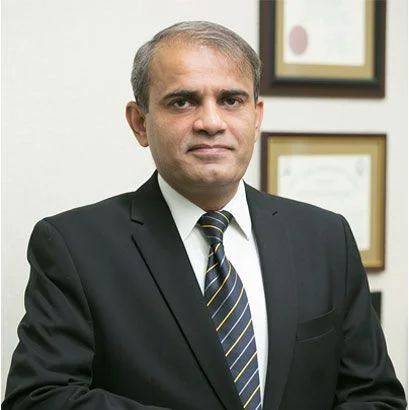
Dr Naveed Azhar is a highly reputed and best gynecomastia surgeon in Pakistan, recognised for his expertise in male breast reduction. With over a decade of experience, he stays at the forefront by continuously upgrading his surgical skills and techniques.
- Gynecomastia in Islamabad is performed by Dr Naveed Azhar, a board-certified aesthetic dermatologist.
- He is an active member of the Pakistan Association of Plastic Surgeons (PAPS) and the Royal College of Surgeons of Edinburgh.
- It is a surgical treatment involving liposuction, gland excision, and a combination of both.
- The surgery usually takes 1-2 hours to complete, based on the severity of the condition and the techniques used.
- Local Anesthesia is commonly used for mild to moderate cases.
- Most patients can recover within 1-2 weeks and can resume normal activities gradually over time.
- The cost typically ranges from 189,999 PKR to 210,999 PKR, depending on the technique used and the surgeon’s expertise.
- The outcomes are long-lasting and often considered permanent.
3rd Floor, Ammar Centre, Jinnah Super Market, F-7 Markaz, Islamabad
Do you experience:
- Enlarged male breasts, no matter the exercise and diet plan
- Self-consciousness while wearing fitted shirts or swimming?
- Hormonal imbalance or fatty chest deposits?
- A desire for a flatter, masculine chest contour?
Are you seeing chest fat reduction despite consistent workouts? Noticing puffiness and swelling around the nipple area? Tired of hiding your chest under loose and layered clothes? If yes, Gynocomastia treatment in Islamabad is the right choice for you! Undergo this therapy to restore confidence and live a healthy life.
What is Gynecomastia surgery in Islamabad?
Gynecomastia treatment is a cosmetic procedure that reduces enlarged male breast tissue. Gynecomastia is the enlargement of breast tissue often caused by an imbalance between estrogen and testosterone. It is common due to puberty and older age.
What Causes Gynecomastia in Men?
It is the problem that occurs when there is an imbalance between testosterone and estrogen levels, leading to enlargement of male breast tissues. The major causes of this are;
|
|
|
|
|
|
|
|
|
Conditions Treated by Gyecomestia Treatment:
The common conditions treated by this therapy are given below;
- Enlarged male breast
- Excess fat deposits are resistant to diet and exercise.
- Puffy nipples or glandular tissue overgrowth.
- Asymmetrical chest appearance.
- Low confidence is linked to chest shape.
Expected outcomes of Gynecomestia Treatment:
The outcomes of the treatment after the therapy are visible immediately. You will notice visible chest flattening right after the therapy. For the initial period, you will experience some swelling and bruising. After 2 to 4 weeks, you will notice immediate improvement as the swellings subside. After the complete recovery period of 3 months, the results will become permanently stable and natural-looking.
Benefits of Male Breast Reduction:
The perks you get by undergoing this transformative therapy include the following;
- Long-lasting removal of extra fat/glandular tissue
- Creates a firm, masculine, and natural chest contour.
- Boosts self-belief and confidence.
- Minimum scarring (hidden close to the areola or natural chest lines).
- Short restoration with lasting results.
- It can be combined with liposuction for basic body sculpting.
Possible Risks of Gynecomastia Surgery and How They Are Managed
This therapy is generally safe when performed by an experienced surgeon, but like any other procedure, it might include some common and rare risks.
Common & Temporary Risks:
These are the risks that are considered part of the normal healing process. They include;
- Swelling & Bruising- Pain and discomfort- Scarring
- Asymmetry- Temporary numbness
Rare & Serious Complications:
These are uncommon and have a very rare chance of occurrence. They sometimes require revision surgery.
- Infection- Hematoma or seroma
- Excessive scarring and keloids- Contour issues
- Changes in nipple sensation- Skin Irregularities
These risks can be managed through;
- Choosing a qualified specialist reduces the risk of complications
- Follow proper postoperative instructions
- Follow proper grading and early follow-ups
Treatment Criteria for gynecomastia Solution:
The treatment criteria to undergo this therapy involve the following attributes;
- A healthy male with a stable body weight.
- Enlarged male breasts (glandular or fatty).
- Emotionally distressed or self-aware because of chest form.
- Not responding to the food regimen and workout.
- Aged 18–50 years (with solid hormone degrees)
Who Should Avoid Gynecomastia Treatment?
- Individuals aged 18 years or above
- People with uncontrolled medical conditions
- Have an active, untreated hormonal Imbalance
- Those with unrealistic expectations
- People who cannot commit to postoperative care
- Individuals with severe obesity
Types of Gynecomastia surgical procedure techniques:
The treatment for male breast enhancement typically involves a single or a combination of techniques to achieve flatter and more masculine chest.
This is ideal for patients with excess fatty tissue but minimal glandular tissue. It is a minimally invasive procedure with a short recovery time and less scarring.
-
Excision:
It is used when glandular tissue and excess skin are present. The surgeon removes the firm breast tissue and provides precise correction. It can reshape the nipple and chest contour.
-
Combined Liposuction and excision:
It is recommended for moderate to severe gynecomastia with both fat and glandular enlargement.
-
Minimally invasive keyhole Technique:
Small incisions are made to remove tissue without large scars. It is suitable for mild to moderate cases where a traditional incision is not required.
Pre-operative guidelines for Male breast reduction:
- Avoid blood-thinning medicines (aspirin, ibuprofen) 7 days before
- Maintain a healthy lifestyle
- Wear loose clothes
- Shower thoroughly on the day of surgery
- Discuss any medications you are taking
- Set up for post-surgical operation help (someone to power you home).
Gynecomastia surgical procedure:
The following steps are followed to complete the gynecomastia therapy;
Detailed Consultation:
Before starting the therapy, you will undergo a detailed consultation with Dr. Naveed Azhar. He will guide you regarding the expected outcomes.
Anesthesia Administration:
The procedure may be performed under local anesthesia with sedation or general anesthesia for severe cases.
Incision Placement:
Small incisions are made strategically to minimise visible scars. Common incision locations include around the areola or under the natural chest fold.
Tissue Removal:
Excess tissue is suctioned out through liposuction or surgically removed with excision.
Contour Shaping:
Surgeons carefully sculpt the chest for symmetry and a natural-looking, masculine appearance.
Incision Closure:
Incisions are closed with dissolvable or fine sutures to minimise scarring. Sterile dressing and compression garments are applied to support healing.
Best practices for quick healing:
- Wear a compression garment for 3–4 weeks
- Take prescribed antibiotics and painkillers
- Stay away from strenuous activity for two to three weeks.
- Sleep on your back to avoid chest pressure
- Attend follow-up visits for tracking
- Keep the surgical dressing clean
- Do not remove bandages
- Light walking is encouraged to maintain circulation
Gynecomastia Recovery Time Islamabad
| Time Frame | What to Expect |
| Immediately After | Swelling, mild discomfort, compression garment applied |
| 1–3 Days | Pain is manageable with medications |
| 1–2 Weeks | Stitches heal, swelling reduces |
| 1 Month | Contour becomes more visible |
| 3 Months | Permanent, defined chest shape |
Gynecomastia Surgery Cost in Islamabad
Gynecomastia surgery cost in Pakistan usually ranges between 189,999 PKR and 99,999 PKR, depending on a few factors. Thus, the real cost will be decided at the initial meeting with the Best gynecomastia surgeon in Islamabad. The cost of gynecomastia depends on the following factors.
- Method used (liposuction, excision, or mixed).
- Anaesthesia type and surgical setup.
- Aftercare and follow-up visits.
- Additional strategies (liposuction of abdomen/flanks).
| Type of Male breast reduction surgery in Pakistan | Estimated Cost (PKR) |
| Liposuction Only | 129,999 – 159,999 |
| Excision Only | 139,999 – 169,999 |
| Combination Surgery | 169,999 – 199,999 |
| Consultation Fee | 2,999 – 3,999 |
Redefine your masculinity and self-belief!
Ready to achieve your masculine body and a well-defined appearance? Worried about the excessive breast tissue that is increasing in size day by day? Hold on! Don’t let your body self-doubt you! Try Gynecomastia Treatment in Islamabad and achieve the perfectly aligned body. Book us now at Dynamic Aesthetic Clinic to get this therapy with the best Specialists.
FAQ,s
How much does it cost to fix gynecomastia?
The cost ranges from 189,999 PKR to 99,999 PKR, depending on a few factors
Which doctor is best for gynecomastia?
Choosing the best doctor is essential. At our clinic, Dr Naveed Azhar has specialised training and follows safety standards. He does a comprehensive consultation and creates a customised treatment plan.
Is gynecomastia surgery painful?
No, it’s done under anaesthesia, so it does not cause pain.
How long does the surgical procedure take?
Usually 1–2 hours, depending on the case.
Will there be scars?
Minimal scarring, hidden in the natural chest lines or close to the areola.
When can I resume work?
Most patients resume work in 3–5 days, avoiding strenuous activities for 2–3 weeks.
Can gynecomastia go away on its own?
In some cases, especially during puberty, mild gynecomastia may resolve naturally within months. Long-standing or severe cases usually require medical or surgical treatment.
Is gynecomastia surgery safe?
Yes, when performed by a qualified surgeon. Common risks like swelling, bruising, or minor asymmetry are temporary, while serious complications are rare.
Can gynecomastia return after surgery?
Recurrence is rare if the underlying cause is addressed and a healthy lifestyle is maintained. Hormonal imbalances or weight gain can contribute to recurrence.