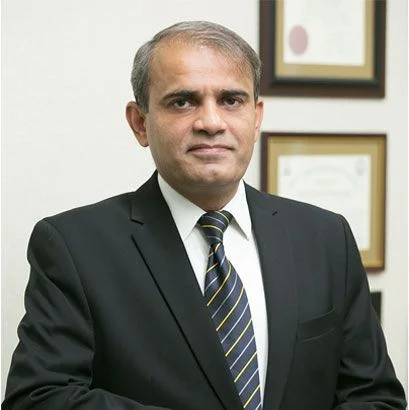










Facing the difficulties of excess weight despite trying various diet and exercise methods? Bariatric surgery in Islamabad is a medically supervised approach that manages significant weight by reducing stomach capacity. From choosing the most suitable approach to navigating the recovery and lifestyle adjustments, this page clarifies all medical and financial questions. Reviewed and verified by Dr. Naveed Azhar to ensure all details and safety recommendations align with modern clinical standards.
Quick facts about Bariatric Surgery in Islamabad
| Type of procedure:
Surgical Weight Loss |
Cost:
400,000 PKR to 900,000+ PKR |
Sessions:
1 session |
| Duration:
2 to 4 hours |
Results:
Permanent (With weight management) |
Recovery:
4 to 6 weeks |
| Anaesthesia:
General anesthesia |
Success rate:
70% to 90% |
Clinic Location:
F-7 Markaz, Islamabad |
What is Bariatric Surgery?
Bariatric surgery is a weight-loss technique that generally diminishes the stomach’s capacity. The process is performed on the digestive system to treat severe or metabolic obesity. It can alter the way the digestive system absorbs incoming calories. This helps individuals with severe obesity attain long-term weight loss. It is designed for individuals who have been unable to manage body composition through habit modifications.
How does bariatric surgery work?
The size of the stomach is physically diminished, which limits the amount of food one can comfortably eat at a time. A section of the small intestine is altered so the body can absorb fewer calories and nutrients from meals. Alters gut hormones to reduce appetite. For example, it suppresses ghrelin. It increases satiety and improves the metabolic rate.
Specialists at Dynamic Aesthetic Clinic emphasize that bariatric surgery provides meaningful outcomes when the treatment is planned according to each patient’s specific requirements.
What benefits can I expect after Bariatric treatment?
The surgical weight loss approach can benefit various patients. It provides multiple advantages, some of which are mentioned below:
Significant and sustainable weight loss:
- Most patients can lose up to 50% to 70% of their excess body weight within 12 to 18 months.
- Metabolic modifications in the body can help prevent the body’s natural tendency to regain lost weight.
Remission or improvement of chronic conditions:
- Rapidly reducing or eliminating the need for insulin.
- Lowers blood pressure and daily medication needs.
- Eases airway obstruction and eliminates the need for a CPAP machine.
- Improves lipid levels by lowering LDL cholesterol and triglycerides.
- Relieves mechanical strain to ease pain and boost mobility.
- Reverses or stabilizes fat accumulation and inflammation in liver tissue.
Hormonal and metabolic shifts:
- Removes or bypasses parts of the stomach that cause a reduction in the production of ghrelin. (hunger hormone)
- The alerts sent from the gut to the brain change. This helps you feel full faster and stay satisfied longer with smaller portions.
Quality of life and longevity:
- Anxiety and depression symptoms are visibly reduced. The surgical approach improves body image and self-esteem.
- One can acquire greater mobility and energy for daily routine activities and exercises.
- Decreases the overall risk of getting a heart attack or stroke.
When Is Surgical Weight Loss the Right Choice?
A Weight loss surgery process can be suitable for a few patients. You can consider your suitability by reviewing the factors below. However, an authentic approval should be provided by a medical expert.
- Patients who have tried a consistent, structured diet and medical weight loss programs but failed to attain long-term outcomes.
- Those who are committed to adopting lifelong dietary adjustments and daily vitamin supplementation. (Including exercise)
BMI Requirements for bariatric surgery:
- BMI ≥ 40: They can qualify for the surgical approach regardless of any health conditions.
- BMI 35 – 39.9: May qualify only if they have at least one severe obesity-related health concern.
- BMI 30 – 34.9: Could be appropriate but in specific cases. (Health conditions remain uncontrolled with medical management)
Metabolic surgery Contraindications: Who Should Avoid It?
The surgery is generally not recommended or is contraindicated for individuals with:
- Cannot safely undergo anesthesia or major surgery.
- Have certain uncontrolled medical or psychiatric conditions.
- Have an active substance-use disorder that is not adequately managed.
- Are not medically fit for surgery based on the surgeon’s assessment.
A Closer Look at Our Bariatric Surgery Procedures
Bariatric and metabolic surgery involves several effective and minimally invasive methods that are designed to promote enduring outcomes and reverse obesity-induced conditions. Every treatment type can function through restriction and malabsorption. Some of the procedure types may also include a combination of both processes.
Vertical Sleeve Gastrectomy (Gastric Sleeve):
The gastric sleeve method is currently the most commonly performed weight management surgical approach on the planet. It is a purely restrictive method that reduces the stomach volume permanently.
How It Works:
80% of the stomach is surgically removed. This leaves a narrow, banana- or sleeve-shaped tube.
Average Excess Weight Loss:
60% to 70% over 12–18 months.
Roux-en-Y Gastric Bypass:
RYGB is considered the gold standard of metabolic surgery. A gastric bypass process merges restrictive and malabsorptive mechanisms.
How It Works:
A small pouch is created at the top of the stomach and connected directly to the middle section of the small intestine. It is connected by bypassing the rest of the stomach and the upper intestine.
Average Excess Weight Loss:
65% to 80% over 12–18 months.
Biliopancreatic Diversion with Duodenal Switch:
BPD/DS is an intricate and highly influential approach that is mainly utilized for severe obesity or metabolic conditions that require maximum weight reduction.
How It Works:
A sleeve gastrectomy is combined with a significant rerouting of the small intestine, bypassing a large portion of the digestive tract.
Average Excess Weight Loss:
70% to 85%+ over 12–18 months.
Adjustable Gastric Band (Lap-Band)
Adjustable gastric banding offers a highly effective and reversible surgical solution for sustainable body slimming. You won’t need any surgical cuts or staples. Your stomach and intestines remain entirely intact.
How It Works:
A soft silicone-type band that contains an inflatable ring inside is placed around the top section of the stomach. This creates a small pouch-type shape (the size of an egg) above the band and leaves the rest of the stomach below.
Average Excess Weight Loss:
Typically 40% to 50% over 1 to 2 years. Results can vary, and maintenance is key.
Gastric Balloon:
An intragastric balloon is a temporary and non-surgical weight loss treatment. This includes placing a soft balloon inside the stomach. The balloon is filled with fluid or gas and takes up space in the stomach so you can feel full sooner.
How It Works:
The balloon occupies part of the stomach and controls hunger/food intake.
Average Excess Weight Loss:
Patients may achieve approximately 25–30% excess weight loss with an intragastric balloon
Dr Naveed Azhar | Best Weight Loss Surgeon in Islamabad
Dr Naveed Azhar is a skilled surgeon at our clinic who specialises in performing weight loss and body contouring procedures. He provides personalised treatment plans based on the patient’s health and medical requirements, with his extensive surgical expertise and patient-focused approach.
| Qualification:
MBBS – Punjab Medical College (Faisalabad, 2003) FCPS (Plastic Surgery) – College of Physicians and Surgeons of Pakistan |
Experience:
20+ years of surgical experience in cosmetic reconstructive surgery. |
| Surgeries performed:
He has performed over 20,000 procedures, including bariatric and other plastic surgeries. |
Speciality and success rate:
Plastic, reconstructive, and aesthetic surgery. With a remarkable success rate between 93% and 97% |
The Whole Preparation Before Surgery Explained
The detailed pre-surgical preparation is explained. Starting from the initial consultation to the recommended surgical tips to follow:
Initial Consultation:
An initial consultation will be conducted by Dr Naveed Azhar to ensure your suitability by performing a thorough assessment. He will recommend the best procedure type for you and also provide the exact treatment cost depending on your unique goals and surgical complexity. Essential tests are performed, and guidelines before and after the procedure are given.
Medical Tests and Pre-operative Assessments:
Essential tests and other psychological assessments may also be recommended. Common examinations performed include:
- Blood tests: The blood count and blood sugar are reviewed. Kidney and liver function are checked. Any blood clotting and vitamin levels are also checked.
- Heart and lung checks: These include an ECG and chest X-ray. A sleep study is also conducted to check for sleep apnea and ensure the general anaesthesia is safe for you.
- Upper endoscopy (stomach check): The surgeon may have a quick look inside the abdomen by utilising a tiny camera. This is done to check for ulcers, inflammation, or even bacteria.
- Abdominal ultrasound: The size of the liver is scanned, and the gallbladder is checked for gallstones.
- Psychological evaluation: Dr Naveed may have a simple mental health chat to make sure you are ready for life and eating habits after the surgery.
- Pre-Op Liquid Diet: A 1- to 2-week special diet right before surgery to shrink your liver and make the procedure safer.
Final Pre-Operative Instructions:
- Follow the exact fasting instructions provided by the surgeon.
- Refrain from supplements that cause easy blood flow 7 days before the treatment.
- Take a thorough shower. Don’t apply any products to the body and wear no jewelry.
- Wear wide and comfy attire to stay comfortable before and after surgery.
Your Bariatric Surgery Procedure at Dynamic Aesthetic Clinic
The exact technique usually depends on the type of bariatric surgery being performed. Most methods follow the same process.
Step 1 – Anesthesia:
Our surgeon gives general anesthesia so you can remain asleep and relaxed throughout the operation.
Step 2 – Small Abdominal Incisions:
Incisions are created in the suitable areas. For laparoscopic surgery, several small incisions are created in the abdomen, and then a small camera is inserted along with special surgical instruments.
Step 3 – Performing the Selected Procedure:
Dr Naveed Azhar then modifies the stomach, and depending on the type selected, the further surgery is executed.
- Sleeve gastrectomy: A considerable amount of the stomach is removed. Leaving a narrow, sleeve-shaped stomach.
- Gastric bypass: The extent of the stomach is lessened, creating a small pouch. Some parts of the small intestine are rerouted.
- Adjustable gastric band: An adjustable band is fitted around the upper stomach to reduce its capacity.
- Biliopancreatic diversion with duodenal switch: Smaller stomach capacity combined with a shortened digestive pathway for maximum weight loss.
Step 4 – Checking the Surgical Area
The newly created stomach or internal connections are reviewed for proper positioning. A leak test could be performed according to the surgical method employed.
Step 5 – Closing the Incisions
All the instruments are removed from inside the body. The small abdominal incisions are sealed together.
Side Effects and Risks of bariatric surgery
Bariatric surgery is a life-changing procedure for weight loss, but like any major surgery, it involves specific post-operative side effects and medical risks.
- Nausea, vomiting, and acid reflux
- Dumping syndrome
- Temporary hair thinning and fatigue
Essential aftercare tips to follow after bariatric surgery
- Improve the diet plan: Gradually move from eating liquids to solid food as advised
- Sustain hydration: Drink water in small sips regularly
- Protein-rich foods: They support healing and maintain muscle mass
- Taking supplements: Take all the vitamins and minerals prescribed consistently
- Gradual exercise: Initiate with light walking and increase the activity as recommended.
Results Timeline After Bariatric Surgery
First Week:
Initial weight loss begins, mainly due to reduced food intake and changes in fluid balance.
2 – 4 weeks:
Weight loss becomes more noticeable as the body adapts to the new diet.
1 – 3 weeks:
Consistent weight reduction typically continues with gradual increases in physical activity.
3 – 6 months:
Significant changes in body weight and clothing size may become more apparent.
6 to 12 months:
Substantial weight loss is often achieved, depending on the procedure and lifestyle habits.
12 to 18 months:
Weight loss generally slows as patients approach their individual long-term weight.
18 to 24 months:
Weight usually stabilizes. Long-term results depend on diet, activity, and follow-up care.
What is the Cost of Bariatric Surgery in Islamabad?
The cost of Bariatric Surgery in Islamabad is quite reasonable, ranging from 400,000 PKR to 900,000+ PKR. The price range is not always accurate for all patients due to changes in the procedure according to the patients’ requirements. To receive the exact cost of your surgical plan, you should undergo a thorough assessment conducted by Dr Naveed Azhar. Afterward, he can provide you with the exact cost of your customized treatment plan.
What factors affect the cost of Bariatric Surgery?
- Type of Bariatric Surgery: The cost varies by procedure. A sleeve gastrectomy may cost less than gastric bypass.
- Pre-Surgery Tests: Required blood tests and medical assessments add to the cost.
- Medical Condition of the Patient: Existing health conditions may require additional care.
- Medications and Anesthesia: The numbing (anesthesia) applied and medication provided affect the total cost.
- Post-Surgery Follow-Up: Follow-up visits after the procedure and nutritional support may add to the expenses.
- Additional Procedures: Any required additional procedures can increase the overall cost.
Cost Based on the Type of Surgery:
| Type of Bariatric Surgery | Estimated cost in Islamabad |
| Sleeve Gastrectomy | 400,000 PKR to 950,000 PKR |
| Gastric Bypass | 500,000 PKR to 850,000 PKR |
| Adjustable Gastric Band | 350,000 PKR to 800,000 PKR |
| Biliopancreatic Diversion with Duodenal Switch (BPD/DS) | 400,000 PKR to 1,000,000 PKR |
| Gastric Balloon | 350,000 PKR to 500,000 PKR |
Why Choose Dynamic Aesthetic Clinic for Bariatric Surgery in Islamabad?
- Experienced surgical care: Treatment is provided under the guidance of Dr. Naveed Azhar, FCPS, Plastic Surgeon.
- Personalized treatment planning: Each patient’s health, weight, medical history, and goals can be assessed before selecting an appropriate approach.
- Modern clinical facilities: Dynamic Aesthetic Clinic uses modern technology and techniques for its procedures.
- Pre- and post-operative support: Patients receive guidance throughout their treatment and recovery journey.
Book your Bariatric Surgery Consultation in Islamabad
Are you ready to take the next step towards healthier weight management? Undergo Bariatric Surgery in Islamabad to achieve the body you desire for a lifetime. What are you waiting for? Book your initial consultation with Dr Naveed Azhar at Dynamic Aesthetic Clinic to begin assessment and understand treatment options.
FAQ,s
How to book a consultation at Dynamic Aesthetic Clinic?
If you have any questions or would like to book an appointment with our team, you can fill out and submit the form that is given on our website. Or if you prefer, you can also use this number, 📞 +923006142585, to call or message us on WhatsApp.
How long does recovery take after bariatric surgery?
Initial recovery usually takes several weeks (4 to 6 weeks), although the timeline for returning to normal activities varies between patients and procedures.
Will I need vitamins after bariatric surgery?
Many patients require lifelong vitamin and mineral supplementation, particularly after procedures that affect nutrient absorption.
Can bariatric surgery be reversed?
Some procedures can potentially be revised or reversed, while others involve permanent removal or alteration of part of the stomach. The possibility depends on the procedure.
How is bariatric surgery different from regular weight-loss treatment?
Bariatric surgery changes the stomach and, in some procedures, the digestive system to support greater and more sustained weight loss than lifestyle changes alone.
How soon can I return to work after bariatric surgery?
Many patients return to light work within a few weeks, but the exact timeline depends on the procedure, recovery, and type of work.
How often will I need follow-up appointments?
Regular follow-ups are important, especially during the first year, to monitor weight loss, nutrition, and overall recovery.
What happens if I regain weight after bariatric surgery?
Some weight gain can occur. Your healthcare team can assess dietary habits, lifestyle factors, and surgical anatomy and recommend appropriate strategies.
How long will I stay in the hospital after bariatric surgery?
Hospital stay varies by procedure and recovery. Many patients are discharged within a few days when they are medically stable.
Will my stomach stretch again after bariatric surgery?
The stomach can gradually accommodate larger portions over time, particularly if consistently overeating. Following recommended portion sizes helps support long-term results.
What happens 20 years after bariatric surgery?
Twenty years after bariatric surgery, most patients sustain significant long-term weight loss and health improvements, though they often manage ongoing nutritional needs and potential late complications.
Can I live a normal life after bariatric surgery?
Yes, you can live a full and active life after bariatric surgery, but your daily routine and eating habits will change permanently. Most patients report a major boost in their overall quality of life, better mobility, and relief from weight-related issues like type 2 diabetes and sleep apnea.
Does bariatric surgery age you?
Bariatric surgery can make your face look older because rapid weight loss removes the subcutaneous fat that fills out the skin.
What can you never do again after bariatric surgery?
You can never safely take certain routine medications, like regular NSAIDs, or eat large, unrestricted meals after bariatric surgery.
Is bariatric surgery high risk?
Bariatric surgery is generally considered an intermediate-risk procedure today, with a safety profile comparable to common surgeries like gallbladder removal.
Can I do bariatric surgery twice?
Yes, you can have bariatric surgery a second time, which doctors call revisional bariatric surgery.
How to sleep after bariatric surgery?
Yes, you can have bariatric surgery a second time, which doctors call revisional bariatric surgery.