








Tired of angling your head and dodging the lens because a dominant nose dominates your profile? A prominent bridge or a tip that feels out of proportion can subtly change your entire facial appearance. If you are seeking a seamless nose transformation with natural-looking results, Rhinoplasty in Islamabad is an ideal solution.
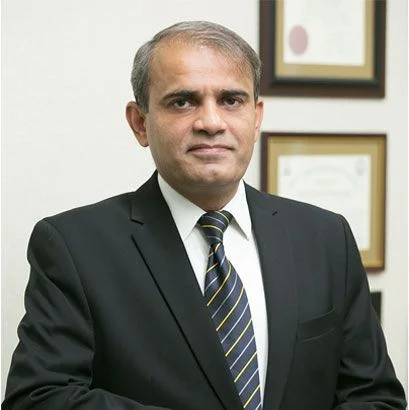
Our Renowned plastic surgeon, Dr Naveed Azhar, specializes in bespoke nasal sculpting, expertly balancing facial proportions while improving internal nasal airway functions. He has over 20+ years of experience in performing rhinoplasty procedures and has performed more than 500+ successful nasal surgeries.
Quick Facts!
|
|
|
|
|
|
Rhinoplasty in Islamabad:
Rhinoplasty procedure helps modify the bone, cartilage, and soft tissue of the nose to change its proportion and function. It can be performed for cosmetic reasons, such as involving nasal symmetry and facial harmony, or for functional purposes, such as correcting structural problems that contribute to impaired nasal breathing.
Rhinoplasty may involve different types of procedures and can deliver various benefits at an affordable cost, depending on the technique and surgical complexity. Suitable individuals should be healthy and meet the required expectations.
Causes of Nasal Deformities:
The major causes that will make you think of undergoing a rhinoplasty procedure in Islamabad are;
- Genetic or hereditary factors
- Nasal injuries or facial trauma
- Birth defects and congenital anomalies
- Deviated nasal septum
- Aging-related structural changes
- Certain medical conditions
- Uneven growth of nasal bones or cartilage
- Excessive or insufficient nasal cartilage
- Scarring from previous injuries or procedures
Rhinoplasty vs Septoplasty- The Most Suitable Approach:
Rhinoplasty and septoplasty are both used to target and refine nasal issues. Rhinoplasty helps rejuvenate functional as well as cosmetic changes, while septoplasty is used to restore the deviated septum.
| Factors | Rhinoplasty | Septoplasty |
| Primary purpose | It reshapes external nasal structure for cosmetic harmony and functional balance | Straightening an internal deviated septum to enhance breathing and airflow. |
| Key procedural elements | Modifies cartilage, bone, and skin through open and closed incisions | Repositions and straightens the internal nasal septum cartilage and bone |
| Results | Refined nasal profile
Improved symmetry Enhanced nasal aesthetics |
Unobstructed nasal breathing
Reduced snoring Relieved sinus congestion |
| How it works | Access the nasal framework to reshape the dorsal hump or bridge | Internal incisions are made inside the nasal cavity to realign the central wall |
| Results timeline | Initial results: 1-2 weeks
Final results: 6-12 months |
Breathing improvement noticeable within 2-4 weeks as soft tissue healing subsides |
| Results duration | Permanent, can last a lifetime | Permanent, unless physical nasal trauma occurs |
| Treatment strength level | High | Moderate to high |
| Candidate suitability | Individuals seeking to correct;
Cosmetic deformities Humps Wide bridges Asymmetry |
Individuals suffering from;
Chronic nasal blockage Sleep apnea Deviated septum |
| Follow-up needed | Splint and stitch removal at 1st week
Periodic checkups over 6 to 12 months |
Internal splint removal at 3-7 days
Routiene post operative check at 1 month |
| Advantages | Delivers total aesthetic transformations alongside optional functional restoration | Restores natural airflow without altering external facial appearance or profile. |
Benefits Achieved from the Nose Job:
A professionally executed nose job offers a mix of aesthetic, functional, and psychological advantages. Below are some of the key outcomes associated with rhinoplasty;
- Enhanced facial harmony: Balances the nose proportionally with other facial areas for a unified profile.
- Refined nasal contours: Smooths dorsal hump and sculpts bulbous or crooked tips.
- Restored facial symmetry: Corrects crookedness caused by genetic asymmetry or past nasal trauma.
- Nostril proportionality: Reshapes and narrows overly flared and asymmetrical nostrils.
- Improved airflow: Unblocks the airway obstructed by a deviated septum or enlarged turbinates.
- Reduced snoring: Minimizes nighttime breathing difficulties and sleep apnea symptoms.
- Sinus Relief: Facilitates proper sinus drainage, reducing the frequency of recurrent sinus infections.
- Permanent transformations: Delivers enduring structural changes that preserve natural beauty over a lifetime.
Potential Side Effects and Precautionary Measures:
Rhinoplasty is generally a safe procedure, but like any other invasive approach, it may come with certain side effects and surgical risks.
- Swelling & Bruising: Apply a cold compress and keep the head elevated.
- Pain & Discomfort: Take the prescribed pain relievers as instructed.
- Nasal Congestion: Usually improves on its own as the internal swelling decreases.
- Infection: Proper wound care and prescribed antibiotics when clinically indicated.
- Breathing difficulties: Structural problems may require medical evaluation
- Septal perforation: Rare but should undergo specialist evaluation and possible surgical repair.
Reasons to Undergo Rhinoplasty in Islamabad:
You may be a suitable candidate for nasal refinement surgery if you have;
- Individuals who have reached nasal maturity, usually around 15-16 years for girls or 16-17 years for boys.
- People concerned about the symmetry and shape of the nose
- Candidates with a deviated septum or structural issues affecting nasal breathing
- Want to correct a nose deformity caused by injury or trauma
- Are generally healthy and medically fit for the surgery
Why Choose Dr Naveed Azhar for Rhinoplasty Surgery:
Rhinoplasty in Islamabad is performed by Dr Naveed Azhar, backed by advanced qualifications in plastic and reconstructive surgery with precise clinical experience. He is a;
- Member of the Royal College of surgeons Eidenburgh, demonstrating internationally recognized surgical training.
- Active member of the Pakistan Association of Plastic Surgeons (PAPS)
- Participated in national plastic surgery research.
- Associated with the College of physicians and surgeons of pakistan.
- Licensed and practicing in Pakistan’s top clinics
Understanding the Procedures for Rhinoplasty:
Below is the detailed step-by-step procedure of rhinoplasty explained;
Consultation:
Consultation is the most important part of the rhinoplasty procedure. During your consultation, our specialist, Dr Naveed Azhar, evaluates your facial anatomy and nasal bone structure to map out achievable aesthetic outcomes. Internal nasal passages are examined to diagnose structural issues like a deviated septum or airway blockage. Digital imaging or detailed discussion is used to align surgical goals with your desired nasal profile. A complete medical history review shows you are fit for general anesthesia or surgery.
Pre-Care Instructions:
The following pre-care instructions are necessary to follow prior to the surgery;
- Avoid blood-thinning medications and herbal supplements at least two weeks prior to the surgery
- Complete routine required lab work, like blood tests and an ECG, as directed by your surgical team
- Fasting is required from midnight prior to the surgery day.
Procedure Steps:
- Anesthesia Administration:
On the day of the surgery, general anesthesia is administered to you to ensure complete comfort and minimal pain throughout the procedure.
- Incision Placement:
The specialist executes either an open approach- a small incision across the columella or a Closed approach- incisions completely hidden within the nostrils.
- Bone & Cartilage Reshaping:
The underlying framework of the nose is modified. This helps smooth dorsal humps, narrow nasal bones, or reshape tip cartilage.
- Structural Grafting:
If required, the cartilage harvested from the septum or ear is placed to build support or refine the contours.
- Septal Realignment:
If functional breathing issues exist, the deviated septum is straightened simultaneously.
Incision Closure:
Incisions are meticulously closed using ultra-fine, delicate sutures. Soft silicone nasal splints or lightweight packing are placed inside the nostrils to support the new septal alignment. A customized plastic or fiberglass splint is secured over the nose to maintain the new shape and protect it against accidental contact.
Recovery Timeline after Rhinoplasty:
Here is the nose job recuperation timeline that shows what you will go through during your healing period.
| Recovery Stages | What to expect |
| Day 1-7: | Swelling, bruising, and mild discomfort are common. Rest with your head elevated. |
| Days 4-7: | Bruising and swelling gradually begin to fade. A nasal splint may remain in place |
| Week 2: | Most visible bruising usually fades, and many patients can return to light activities. |
| Weeks 3-4: | Swelling continues to decrease. Light exercise may be resumed with your specialist’s approval. |
| Months 1-3 | The nose begins to look more refined as residual swelling gradually settles. |
| 3-6 months: | Nasal contours continue to stabilize and become more defined. |
| 6-12 months: | Most patients see their final results, although visible swelling can persist longer. |
Expected Outcomes of Nose Reshaping Surgery:
Nose reshaping surgery can create a more balanced and proportionate nasal appearance by refining the bridge, tip, and overall nasal shape according to the patient’s facial structure. It may enhance nasal symmetry, facial harmony, and profile definition. Functional rhinoplasty may also improve breathing when structural problems are corrected. Results develop gradually as swelling subsides, with final appearance becoming clearer over several months.


Cost of Rhinoplasty in Islamabad:
The cost of nose reshaping surgery in Islamabad ranges from 149,999 PKR to 449,999 PKR per session. The final cost will be determined after a detailed consultation with Dr Naveed Azhar and discussion of the ideal treatment and discussion of the ideal treatment and financining plan according to the patient’s requirements.
Rhinoplasty Cost Breakdown by Procedure Type:
| Procedure Type | Typical Cost Range |
| Basic cosmetic Rhinoplasty | 149,999 PKR- 249,999 PKR |
| Septorhinoplasty | 199,999 PKR- 349,999 PKR |
| Revision Rhinoplasty | 299,999 PKR- 499,999 PKR |
| Liquid Rhinoplasty | 44,999 PKR- 89,999 PKR |
Cost Factors:
When considering rhinoplasty, it is crucial to account for additional costs beyond the procedure itself. These supplementary costs often include;
- Type of rhinoplasty: Open (150,000-500,000) or closed rhinoplasty(200,000- 350,000) may have a different impact on the overall cost.
- Anesthesia Fees: The type of anesthesia (500-1500) used for rhinoplasty can add to the cost of the procedure.
- Pre-Surgical Assessment: Including diagnostic tests (500-1000)or blood work (200-500)can impact the overall price.
- Additional Procedures: Rhinoplasty combined with septoplasty (50,000- 250,000) can significantly increase the pricing.
- Post-Operative Care: Post-operative splints and medications (1000- 5000)will have a little impact on the overall cost.
Why Choose Dynamic Aesthetic Clinic for Rhinoplasty in Islamabad:
- Dynamic Aesthetic Clinic in Islamabad is led by a highly skilled specialist with years of experience in advanced nose restoration and refinement procedures.
- Each patient can get a personalized treatment plan for more natural-looking results(improved breathing and balanced proportions), while ensuring the ultimate care throughout the recovery period.
- Our clinic provides advanced FDA-approved surgical tools for each of the treatments to make sure that patients receive safe and effective procedures.
- Our surgeon performs a proper skin examination and suggests the ideal technique to get the concern treated.
Is Rhinoplasty Included in Our Facial Aesthetic Treatment Options?
Yes, Dynamic Aesthetic Clinic offers rhinoplasty in Islamabad as part of the facial aesthetic and surgical treatments. The procedure can be customized to address concerns such as nasal shape, size, symmetry, or structural issues affecting breathing. Each patient receives an individualized consultation to determine the most suitable approach based on the facial proportions and desired outcomes.
A Better-Balanced Nose Starts with Expert Precision!
Have you been struggling with a crooked nose and an imbalance in your overall facial look? Looking to refine your nose structure and profile? Book an appointment now at Dynamic Aesthetic Clinic and try rhinoplasty in Islamabad performed by a highly skilled specialist.
This medical information on this page, including the rhinoplasty procedure, suitability, potential risks, recovery, expected results, and benefits, has been reviewed by Dr Naveed Azhar. He is an FCPS-qualified plastic surgeon and a member of the Royal College of Surgeons of Edinburgh with over 20+ years of surgical experience.
FAQ’s:
Can rhinoplasty correct a deviated septum while reshaping the bridge?
Yes, A septorhinoplasty combines cosmetic contouring with functional correction. Straightening the internal septum improves airflow while simultaneously refining the external aesthetic.
What is the difference between open and closed rhinoplasty for complex nose shapes?
Open rhinoplasty uses a small incision across the columella, offering full visual access for complex structural changes or cartilage grafting. Closed rhinoplasty keeps all incisions inside the nostrils, eliminating visible external scars, though it provides less visibility for major reshaping.
Can rib or ear cartilage be required during a primary rhinoplasty?
While more common in revision surgeries, graft material from the septum, ear, or rib may be required during primary rhinoplasty if your natural nasal septum lacks sufficient structural support to build height or projection.
Will a rhinoplasty change the appearance of my smile or upper lip?
Temporary stiffness in the upper lip and a slight change in your smile are common during the first few weeks. This occurs due to localized swelling and temporary nerve disruption around the base of the nose, resolving naturally as tissues heal.
Why does a rhinoplasty take up to a full year (or longer) to reveal final results?
While the major shape is visible after the splint comes off at 7–10 days, subtle swelling persists for months. Complete tissue settling and scar maturation typically take 12 to 18 months.
Can digital 3D imaging or computer simulations guarantee my surgical result?
Simulations are diagnostic communication tools to align expectations between patient and surgeon. They demonstrate realistic goals rather than a 100% surgical guarantee, as biological healing varies by individual.
What happens if I accidentally bump or touch my nose during the first month?
Minor, gentle touches won't disrupt healing. However, significant trauma during the first 6–8 weeks can shift healing cartilage or bones. Contact your clinic immediately if a bump causes sudden bleeding, severe pain, or visible asymmetry.
Is general anesthesia safer than local anesthesia with sedation for rhinoplasty?
Minor, gentle touches won't disrupt healing. However, significant trauma during the first 6–8 weeks can shift healing cartilage or bones. Contact your clinic immediately if a bump causes sudden bleeding, severe pain, or visible asymmetry.
What are the statistical chances of needing a revision rhinoplasty?
Globally, revision rates range between 5% and 15%. Minor asymmetry or unexpected scar tissue formation during the 1-year healing process are the primary reasons patients seek minor touch-ups.
How can I distinguish normal post-operative congestion from a nasal blockage issue?
Internal mucosal swelling and healing crusts cause temporary congestion for 2–4 weeks. If breathing remains obstructed 3 to 6 months after all internal splints and swelling have cleared, your surgeon will evaluate for residual septal deviation or valve collapse
When is it safe to wear heavy eyeglasses or sunglasses again?
Direct pressure on the nasal bones can shift unhealed structures. Avoid resting glasses on the bridge of your nose for 6 to 8 weeks; opt for contact lenses or frame-taping kits during this period.
How should I sleep after surgery to prevent asymmetric swelling?
Sleep strictly on your back with your head elevated at a 30-to-45-degree angle using two or three pillows for at least 2 to 3 weeks. This aids lymphatic drainage and reduces morning swelling.