Skip to content

Why choose Dynamic Aesthetics for Scar Treatment?
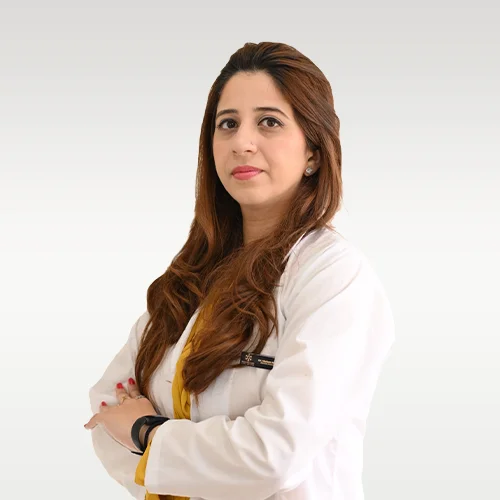
Dr Ayusha Khan is an experienced dermatologist with an extensive background in providing her patients with scar-free skin. She uses cutting-edge techniques that are suitable for her clients to clear the unwanted marks.
- Post-surgical scar treatment is instructed by a board-certified expert in providing scar-free skin.
- Achieved a clinical dermatology observership at Queen Elizabeth Hospital, UK.
- Certified in aesthetic procedures through the Aesthetics & Laser Clinic, Sheffield.
- Prices are highly reasonable and range between 30,000 PKR and 100,000 PKR.
- By customising methods, we create a strategy according to your expectations and needs.
- Procedures are concluded within 2 to 3 sessions, usually 1 to 2 hours long.
- Natural-looking results can be accomplished through our distinctive technology and methods.
- Within only 4 days to 3 weeks, people usually notice the visible changes.
- Safety and comfort are our priority; that’s why we administer local or general anaesthesia.
3rd Floor, Ammar Center, Block # 13-A College Rd F-7 Markaz ISLAMABAD, PAKISTAN.
Are any of these issues affecting you?
- Noticeable and unattractive scar affecting your confidence?
- Affecting your appearance and impact on professional image?
- Emotional distress or embarrassment from uneven texture and discolouration?
- Limited movement because of the tight skin and poor healing after the surgical process?
Are you in search of an effective approach to clear the surgical marks left on the surface of your skin? Post-Surgical Scar Treatment in Islamabad is the best way to go. From very small to extremely large scars, laser approaches never disappoint. Learn more about the advanced approach to attain clear skin by reading the detailed page below.
Post-Surgical Scars Treatment in Islamabad | Reveal skin that looks naturally renewed
Post-surgical scar treatments are invented to improve the appearance of scars after a wound has healed. There are various types of approaches, with the laser being the most common and effective option.
The aim of this treatment is to make the scar less visible, whether it’s by flattening it, balancing the color or reducing the size. Not only that, but it also reduces discomfort and the mild side effects like itching and tightness.
Post-Surgical Scars:
Post-surgical scars are a type of mark that is formed on your skin after you undergo a surgical procedure. They are a part of the natural healing process. When your skin and the underlying tissues are cut during the surgery, your body begins to repair the wounds by producing a protein (collagen) that assists in closing and strengthening the area. After this healing process, there is usually a mark left behind known as a “scar”
The appearance of post-surgical scars depends on multiple factors, such as:
- The type of surgical technique
- Your skin type
- Wound care
- Location of the surgery
How does the Laser Method Function?
It works by employing focused light energy to target and break down the scar tissues while promoting one’s natural recuperation process of the skin. The laser penetrates the skin and extracts the outermost damaged layers (ablative lasers) or heats the deeper layers without impairing the surrounding surface (non-ablative lasers).
This directed motion initiates the production of collagen, which helps to substitute the old and rigid scar tissue with smoother skin. At the same time, the laser can also reduce the excess pigmentation and redness by targeting the blood vessels or melanin in the scar.
The Outcome of Scar Reduction Therapy
The expected outcomes of a post-surgical scar t reatment are immaculate, as one can enjoy their clear skin without having to hold onto the memories of the surgery. Depending on the type of scar, each may require a different number of sessions. After the recommended sessions are followed, the attained effects will be totally natural-looking and long-lasting.
Types of Post-Surgical Scars Treated:
Several types of scars can appear, all having a different cause, learn more about the types of scars below:
Hypertrophic scars:
These are thick red scars that stay on the boundaries of the surgical cut
Characteristics: They may become itchy or painful at the beginning, but they improve over time
Cause: It is commonly caused by excess collagen production during the healing phase
Keloid scars:
These are thick and raised scars that stretch above the cut or wound region
Characteristics: They are really darker than your natural skin tone. These can be itchy and tender
Cause: It is commonly caused by genetic predisposition or excessive collagen formation
Note: These types of scars are usually seen in darker skin tones
Atraphic scars:
These are depressed or sunken scars that appear in the indented areas
Cause: They are induced due to the loss of tissues or inadequate collagen formation
Examples: Any sort of surgical complications or infections in the incisions
Contracture scars:
They are tightened or constricted types of scars that sometimes limit a person’s ability to move.
Characteristics: Usually, they form over the joints or huge surgical areas
Cause: Excessive healing and skin contraction during the recovery phase
Stretch marks:
Streaky and thin scars that form due to excessive stretching of your skin after the surgery.
Characteristics: At the initial phase, they are reddish purple, but after some time, they start to fade and create white or silver lines
Cause: They are common in tummy tucks or other major weight loss procedures.
Benefits of a Scar Correction Treatment
Below, we have mentioned the main advantages of the post-surgical scar removal therapy:
- Softens thick or hard scar tissue
- Improves skin texture and smoothness
- Minimises itching or discomfort caused by scars
- Helps to restore the normal skin colour and tone
- Prevents scar from becoming more prominent
- Cultivates positive self-perception
- Enhances mobility if the scar is over a joint or a tight area
Potential Reactions After Laser Treatment for Surgical Scars
- Common:
Redness – Swelling – Itching
Crusting – Stinging
- Very rare:
Skin Color Changes – Infection
Scarring – Burns – Milia
Ways to Avoid Treatment Complications:
If you want to minimise the chances of risks, you need to ensure the following aspects are observed:
- Follow the provided pre- and post-care
- Experience the evaluation sessions
- Choose a reliable and qualified practitioner
Types of Techniques for Post-operative Scar Care
There are several types of techniques that can be used for post-surgical scar removal. Invasive and minimally invasive procedures include:
Non-Surgical TechniquesMinimally invasive options that improve scars gradually with little to no downtime | Surgical TechniquesAdvanced options that are used for severe, thick, or poorly healed scars |
Silicone Gels or Sheets:These are supposed to be applied daily on the scar to hydrate and flatten it over time. Sessions: Daily use for 8 – 12 weeks or longer | Scar Revision Surgery:It gets rid of the old scars and re-closes the area neatly. Sessions: 1 surgical procedure |
Laser Therapy:By using focused light, it’s able to reduce the thick redness and improve the texture. Sessions: 3 – 6 sessions (4 – 6 weeks apart) | Skin Grafting:Some of the healthy skin from another area is transferred to cover the scar. Sessions: 1 procedure (may need follow-up care |
Steroid Injections:These are injected into the lifted scars to reduce the inflammation and thickness. Sessions: 3 – 5 sessions (4 – 6 weeks apart) | Flap Surgery:Uses nearby skin with a blood supply to improve the appearance of the scar. Sessions: 1 procedure |
Microneedling:This technique includes creating tiny holes in your skin to stimulate the collagen and smooth the scar. Sessions: 3 – 6 sessions (4 weeks apart) | Z-Plasty or W-Plasty:A procedure that repositions the scars to create a less visible appearance and to reduce tension. Sessions: 1 surgical procedure |
Note: The choice of technique depends on the type, size and location of the scar and the individual’s healing response.
Treatment Criteria for Scar therapy after surgery
Anyone who relates to the following factors or experiences these concerns is suitable for the treatment:
- Raised or thick scars
- Blemishes from old wounds
- Unpleasant scar sensations
- Scars that cause a limited range of motion
- Seeking improved skin texture and appearance after surgery
- Anyone who had surgery several months ago and has a fully healed wound
Not suitable people:
- People with active skin problems like acne or open wounds
- Those with skin diseases like eczema or psoriasis
- Candidates who possess a history of keloid
- Extremely dark-skinned people
- Women who are expecting or those with uncontrolled diabetes
Important Things to Know Before the Procedure
Consultation:
The initial consultation is where your specialist, Dr Ayusha Khan, will review your scars with you and map out your treatment objectives. She will also explain the best treatment that suits your scar type. You will be informed about the total number of sessions and the expected results. Questions and concerns you have can be cleared out, and you will receive the final cost breakdown as well as the pre and post-care tips.
Preparation Tips to Follow:
You will be advised to:
- Avoid sun exposure on the scar
- Stop certain medications if needed
- Keep the area clean and free from infections.
Your Step-by-Step Journey To Smooth And Clear Skin
To understand your treatment session best, we have listed what may happen during your treatment:
1 – Cleaning the site:
To remove the dirt and oils from the selected spot, an antiseptic will be employed.
2 – Numbing:
For pain-free and comfortable sessions, numbing agents are applied. After the application, we wait 20 to 40 minutes.
3 – Laser Application:
Your doctor will use the hand-held laser device and move it over the selected scar region in a controlled manner.
4 – Laser Function:
It extracts the damaged skin layers and stimulates healing by collagen remodelling.
5 – Immediate care:
Instantly after the procedure, a cooling gel or ice is applied.
Essential After-Care Tips
- Ensure the spot remains clean and arid
- Protect the area from contact
- Apply prescribed ointments
- Avoid heat or sun exposure
- Use gentle cleansers
- Bypass makeup on the treated area
- Follow medication instructions.
- Use sunscreen daily
- Attend follow-up sessions if advised
Tracking Progress After Laser Scar Treatment
| Phase / Session | What Happens | Visible Results |
| Immediately After Session 1 | Laser treatment performed | Skin looks freshly treated |
| 3 – 7 Days After Session 1 | Skin begins healing and renewing | New skin starts appearing |
| 2 – 4 Weeks After Session 1 | Early collagen remodelling | Slight improvement in texture |
| After Session 2 | Continued skin repair | Scar starts to look smoother |
| After Session 3 | Increased collagen production | Noticeable improvement in texture and tone |
| After Session 4 – 5 | Ongoing regeneration | Scar becomes flatter and less visible |
| 1–3 Months After Final Session | Full healing and skin rebuilding | Best results: smoother, lighter, improved appearance |
The Synergy of Laser Treatment and PRP
Laser approach incorporated with PRP therapy improves the scars by promoting the skin’s innate healing process. In this combinational approach, the laser method encourages collagen remodelling while the PRP therapy adds the growth factors to speed up the restoration process. Both of the treatments assist in making the scar look smoother and more faded when merged. They make the spot less apparent faster and better than with a single treatment.
Cost of Post-Surgical Scars Treatment in Islamabad
The cost of Post-Surgical Scar Treatment in Islamabad ranges from 30,000 PKR to 100,000 PKR. The price mentioned is not fully accurate. It can differ due to various factors acting upon it. For a clearer vision, you can book a consultation with our dermatologist and receive a detailed guide about the cost of your personalised treatment. The main aspects that take place in fluctuating the total expense of your treatment are as follows:
- Type of scar treatment
- Scar severity & size
- Total visits necessary
- Tools and systems utilised
- Pre- and post-care requirements
- Patient’s skin type & response
- Anesthetic agents
- Follow-up visits & management
Dynamic Aesthetic Clinic | Expert care for flawless results – Book Now
If you are ready to opt for your Post-Surgical Scars Treatment in Islamabad and are looking for a reliable clinic, then you have found your place. Our team offers you an effective and risk-free surgical scar removal, ensuring natural-looking outcomes. So what’s with the wait? Book your consultation at Dynamic Aesthetic Clinic without delay and achieve flawless skin
FAQs
Does the treatment hurt?
Most non-surgical options cause minimal discomfort. Laser or injections might feel like mild pinches or warmth. Surgical options are done with anesthesia.
Are home remedies enough to treat surgical scars?
Home remedies may help slightly, but medical treatments give better and faster results
Is sun protection important during scar treatment?
Yes, sunscreen helps prevent darkening and improves overall results.
Can Surgical wound healing treatment be done on any body part?
Yes, scars on the face, abdomen, chest, arms, legs, and joints can be treated.
How to book a consultation at Dynamic Aesthetic Clinic?
If you have any questions or would like to book an appointment with our team, you can fill out and submit the form which is given on our website. Or if you prefer, you can also use this number, 📞 +923006142585, to call or message us on WhatsApp.
Is this therapy suitable for very old surgical marks?
Yes, lasers can improve scars that are several years old.
Does the treatment change the colour of the scar?
Yes, it reduces the redness and dark pigmentation to blend with the skin
Will the treated site feel different after the therapy?
Many patients notice the scar becoming softer and smoother over time.
Is the treatment appropriate for those with dark tones?
Yes, modern technology works for all types of tones, as it is adjustable.
Does the laser therapy extract the mark completely?
No, it usually improves the texture and appearance rather than completely removing it.